
Oral care is many times left out of the conversation about prenatal maternal health and wellness. In fact, a study conducted by the Journal of American Dentistry Association found that only 22-34 percent of pregnant women consult a dentist during pregnancy, and only about half of those who are found to need treatment actually receive the treatment they need.
Read more: Fun Dental Hygiene Stocking Stuffers
“With lack of recognition about common oral health issues in pregnancy, it is important that pregnant women take measures to ensure that all of their health needs, and the needs of their child, are met,” says Dr. Leslie Renee Townsend, DDS., Regional Dental Director for Jefferson Dental Clinics.
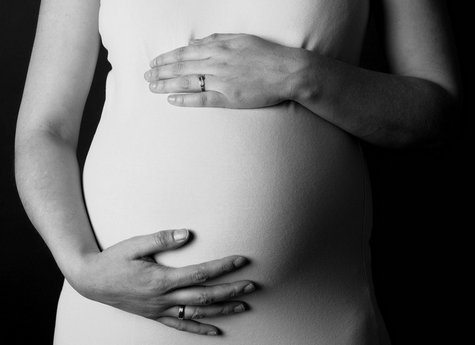
Poor oral health can cause complications with pregnancy, causing health issues for both mama and baby.
One major problem is periodontitis, better known as gum disease, which is associated with both low birth weight and preterm birth. Periodontitis is an inflammatory response that forms pockets around the teeth, wherein toxic bacteria accumulates. The inflammatory response that is triggered in the body because of periodontitis is thought to prematurely initiate labor. Similarly, the release of the molecule PGE2 restricts blood flow to the placenta and causes placental necrosis, resulting in intrauterine growth restriction (low birth weight).
In some studies on moms with periodontitis, levels of toxic bacteria have been found in the amniotic fluid and placenta. Women with preexisting periodontal disease can reduce the risk of recurrence or worsening disease during pregnancy through proper oral hygiene.
The most common oral disease during pregnancy is gingivitis, with at least 60-75 of women suffering from the disease. Women who experience symptoms of gingivitis prior to pregnancy are at risk of experiencing exacerbated symptoms. Proper oral care including an antiseptic mouthwash can help reduce symptoms; however in extreme cases professional deep cleaning may be needed.
Pregnant women are also at an augmented risk for dental cavities because of increased acidity in the mouth. Morning sickness exposes teeth to gastric acid that can erode dental enamel. Pregnancy cravings of sugary or acidic snacks also contribute to caries. Children with mothers who have cavities are more likely to have cavities.
Read more: How Saliva Impacts Your Oral Health
Though women are often variably more health conscious during pregnancy, they are less likely to receive prenatal counseling about oral health, and many health providers are reluctant to refer women for treatment. Both prevention and treatment are important factors for maintaining maternal and fetal health.
Women who are trying to become pregnant should receive their biannual dental exams to screen for and treat potential oral health issues. Pregnant women should receive dental exams, and can receive dental treatments in their second trimester. Certain treatments, including antibiotics and antiseptics can be prescribed to treat infections during pregnancy. It’s important to speak with health providers about the specific treatment needs and risks before undergoing any procedures during pregnancy.
Moreover, all women should practice regular daily oral hygiene including brushing twice a day and flossing. Good oral health practices can help keep moms healthy, and bring healthier babies into the world.
Photo credit: Tatiana Vdb