
Smiling is commonly recognized as a universal sign of happiness. Surprisingly, there are actually more than a dozen different identified types of smiles that can convey a range of emotions including joy, fear, friendliness, discomfort, embarrassment, uncertainty, love and more.
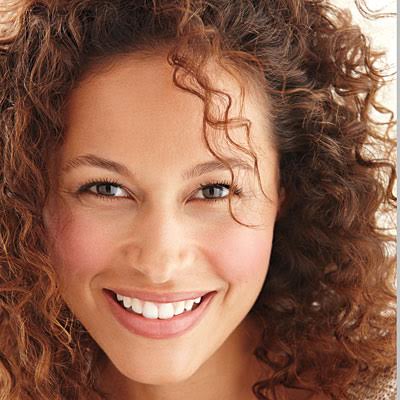
Dating as far back as 1862, scientists and psychologists have studied the various types of smiles, with much in-depth research derived from Charles Darwin, G.B. Duchenne and Paul Ekman.
The zygomatic major muscle is responsible for pulling the mouth into the upward smiling position, however additional facial muscles form different types of smiles. Joyful smiles utilize both the zygomatic major, and the orbicularis oculi muscle, responsible for controlling the eyelids and region surrounding the eye socket. Genuinely joyful smiles typically last between half a second to five seconds.
While every smile may have emotion behind it, not every smile is genuinely joyful. Often humans will use smiling as a cover for other emotions.
There are four main ways to judge the geniality of a smile
- Smoothness – Occurs as a timely and reasonable reaction to a stimulus.
- Duration – Genuine smiles last for a certain period.
- Symmetry – The smile doesn’t favor one side of the mouth more than the other.
- Synchronization – Both muscle groups act at the same time.
Furthermore, understanding the most common types of smiles is a great way to better understand your emotions, and the emotions of those around you.
9 Common smiles
- The “felt” smile – Long, intense smile that conveys only positive feelings.
- Flirtatious – Characterized by grinning and looking away from the person of interest, as if in embarrassment.
- “Grin and Bear” – Indicates impassiveness about negative feelings toward a situation.
- Listening response – Simply tells the orator that everything is heard and understood, and provides encouragement to continue speaking.
- Bemusement – Indicates that a person is unsure of what a conversation or situation means.
- Fear – Smiling out of uncertainty, distress or fright.
- The suppressed or “dampened” smile – A genuine smile where the person attempts to suppress the extent of joy that is felt.
- Co-ordinated smile – A polite gesture to signal to another cooperation and agreement.
- “Qualifier smile – Used to deliver a difficult message in a softer manner that encourages the other party to smile in return.
Encourage more smiling by protecting and taking proper care for your smile.
Smiling has numerous health benefits, however the best way to reap the benefits is by properly caring for the parts that make your smile possible. Brushing and flossing teeth twice daily is a large component of ensuring a vibrant, healthy smile. Proper hydration is also important for stimulating the salivary glands, as well as for keeping lips, gums and soft tissues supple. Finally dental exams every six months help screen for potential issues that can affect your health. For more information about caring for your smile visit stagingjdc.wpengine.com.