
 Article at a Glance
- Wisdom teeth, or third molars, erupt sometime in your late teens or early twenties.
- Removal of wisdom teeth is done to prevent infection, damage to surrounding teeth, and bone loss.
- Not following advice to have your wisdom teeth removed can lead to spacing and alignment issues, cysts and tumors, and a lot more pain.
Your dentist just told you that you need your wisdom teeth removed. You’ve heard horror stories about traumatic wisdom tooth extractions. You dread the thought of oral surgery. It’s not so bad, just a little uncomfortable, you can totally deal with the pain. Do you have to get your wisdom teeth removed?
No, you don’t have to have your wisdom teeth removed. However, you may want to read this before you decide to skip the extractions.
Understanding Wisdom Teeth
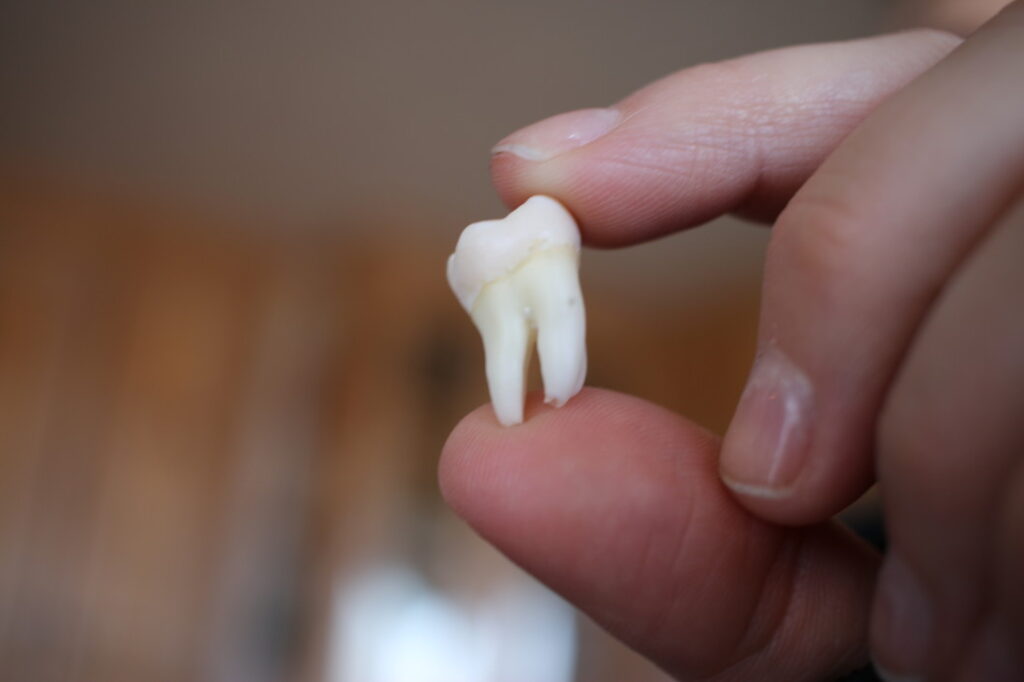
Your third molars, more commonly referred to as wisdom teeth, are the last teeth in your mouth. The molars, two on top and two on bottom, are known as wisdom teeth because they don’t erupt until you’re older, usually in your late teens or early twenties.
Symptoms of wisdom teeth growing are very similar to any other teeth erupting. You may notice tender, red, swollen gums in the affected areas. Some people will have jaw pain, bad breath, a bad taste in the mouth, or difficulty opening your mouth.
If your wisdom teeth grow in correctly, they may help you chew food. For many people, this isn’t the case which leads to removal of the teeth. There are several reasons that you may need your wisdom teeth extracted.
Do I Have to Get My Wisdom Teeth Removed?
Though third molars may have been useful at some point, they cause significant problems for many people. In the United States, dentists remove more than 10 million wisdom teeth each year. That’s a lot of teeth!
Why are Wisdom Teeth Removed?
Wisdom teeth are most often removed because they are impacted, meaning that they cannot break through the gum tissue. However, there are plenty of other reasons to remove wisdom teeth.
- Infection or cavities in the wisdom tooth or teeth
- Lesions or tissue abnormalities around the teeth
- Damage to surrounding teeth
- Bone loss near the roots of the wisdom teeth
- Lack of space to accommodate the tooth or teeth
- Sinus issues from the extra pressure at the back of the jaw
Additional Considerations for Wisdom Tooth Removal
In some cases, the third molars are removed as a precaution. This occurs if a dentist sees something in x-rays to suggest there could be a larger issue if the tooth or teeth are not removed. Reason for these precautionary extractions often are identified only by x-ray because they occur beneath the surface.
- Unerupted wisdom teeth can create cysts beneath the surface that may lead to bone loss in your jaw.
- If it’s under your gum and angled improperly, it can affect and weaken the roots of nearby teeth.
- Bacteria and plaque can build up around a partially erupted tooth that can be impossible to clean which would then lead to cavities or infection.
What Happens if I Don’t Get My Wisdom Teeth Removed?
There is a lot of discussion about wisdom teeth and how to determine when to remove them, but there are many cases where extraction is the best way to prevent long term problems. If you choose not to have your wisdom teeth removed, you could be opening yourself to unnecessary pain and more expensive treatment down the road.
Spacing and Alignment Issues
If you’ve had braces already, you probably don’t want them again. Wisdom teeth can ruin that smile you spent so much time (and money) perfecting. When there is not enough room to accommodate those back molars, you can end up with a series of complications.
The spacing issues can also affect the surrounding teeth. What happens when teeth are so close together that you can’t run a string of floss between your teeth? You’re going to end up with food debris and bacteria built up there and that means cavities. Not only will you need dental work, it may result in you losing more teeth.
Cysts and Tumors
If the sac around a wisdom tooth fills with fluid it creates a cyst. The cyst applies pressure to everything around it including jawbone, gums, and surrounding teeth. This means that everything around the cyst can be weakened and destroyed. Occasionally, untreated cysts can result in a tumor that would require more significant intervention.
While wisdom teeth surgery may not sound pleasant, the alternatives are far worse. If you’re experiencing symptoms of wisdom teeth growing in, it’s important to see a dentist soon. Contact the Jefferson Dental Care clinic nearest you to make an appointment to have those wisdom teeth evaluated!
Our Jefferson Dental Content Committee supports our team by educational and informational articles related to what we do, oral care tips, and current events in our communities.