
It is no surprise that multiple university studies suggest that as much as 75% of Americans actively experience some level of fear when it comes to dental treatment, and as much as 15% of the population suffers such severe dental anxiety that they refuse regular annual visits. Some studies suggest that even up to one-third of dentists are afraid of visiting the dentist!
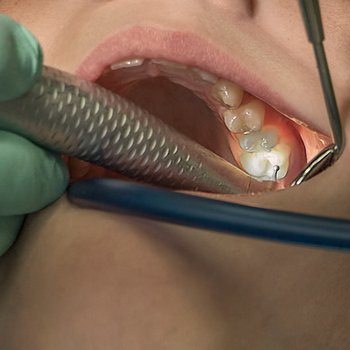
The psychological factors behind dental fear could be worsened by more complex procedures, compounded pain and utilization of tools such as drills and needles. Fortunately, a clear understanding of the root of the fear, as well as taking steps to ease the fear can make dental visits more comfortable.
Dental Anxiety: Fears and Triggers
Understanding the stimuli in the dentist’s office is a first step at understanding dental anxiety. When a patient sits down in the dentist’s chair, they are immediately exposed to a barrage of foreign, if not potentially painful, stimuli. Piercing drills, sharp needles, the uncomfortable feeling of a dental worker’s hands. It is important to remain calm and understand that the dental treatments can alleviate existing pain, and also promote better health overall.
Techniques for Easing Dental Fears
To help alleviate some common anxiety surrounding dental visits, dentists and patients can work together by applying the following suggestions:
- Ask many questions during the dental consult. A patient’s questions are very welcomed, because a more informed a patient feels more comfortable, and the appointment runs more smoothly. Dentists and dental managers are accustomed to managing various anxiety levels, pain tolerance levels and concerns about treatments.
- Vocalize your concerns prior to treatment. If something is bothering you or if you have scheduled your dental visit for a particular reason, speak up and let the staff know so that they can swiftly accommodate your needs and work to relieve any pain you may feel.
- A good dentist or dental manager will explain all aspects of a treatment, but if you do not have a fair understanding, ask for explanations of the tools and procedures.
- Make yourself comfortable. Many dental offices offer blankets, TVs, water, magazines and other amenities to make patients feel more comfortable.
- Keep in mind that dental staff is there to alleviate pain and to make you comfortable throughout your appointment.
Ultimately, with good communication between a dentist and his or her patient, and other tips for combating fears, dental anxiety and psychological triggers can be severely lessened. Talk to your dentist about your anxieties and work together with them to come up with a treatment plan that works best.
Dental appointments are extremely important to maintaining not only oral health, but overall health as well. It is important to schedule regular dental appointments every six month to do routine cleanings and exams, and to screen for potential health issues.
Photo credit: Jan Fidler