
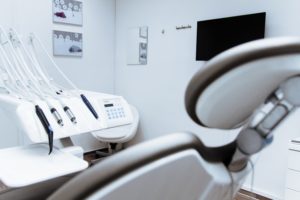
Have you ever put off a trip to the dentist because you were too nervous? Many people have anxiety about going to the dentist or undergoing a dental procedure.
Dental sedation can ease some of that tension and provide a more comfortable experience. Knowing what to expect when sedation is used, and how it works, may make the visit easier for you.
Understanding Dental Sedation
Dental sedation is the use of medication to help patients relax for a procedure. When somebody is too tense or afraid to have dental work done, a sedative can alleviate some fear and anxiety.
Reasons to Use Dental Sedation
Fear and anxiety can prevent people from receiving dental treatment, which can cause significant problems down the line. Mild sedatives can help them relax enough for a check-up and teeth cleaning. Dental sedation also makes patients more comfortable during procedures, like fillings.
Is Dental Sedation Safe?
Dentists who use sedation are trained and qualified to administer the medication. They will consider your medical history, existing conditions, and benefits of sedation before making a recommendation.
Dental Sedation for Kids
When dentists need to do extensive work on a child, they may suggest sedating the child. Pediatric dental sedation helps the dentist complete difficult or time-intensive procedures safely and efficiently.
FAQs About Dental Sedation for Kids
Since pediatric dental sedation involves the young people and their parents, it’s in everybody’s best interest to understand what’s involved. Parents can’t alleviate their child’s anxiety if they aren’t prepared.
Do I need to do anything special before the appointment?
Your pediatric dentist will provide instructions, but generally, there are rules for eating and drinking before the procedure based on the type of sedation and the age of your child.
How will the sedative be administered?
For children, sedatives are usually administered through inhalation of nitrous oxide (laughing gas) or a liquid medication. In some cases, intravenous or intramuscular sedation is necessary, but a trained anesthesiologist would be involved in those cases.
My child is nervous, what do I tell them?
Dental sedation, even for children, is safe. It feels a lot like falling asleep. When kids wake up, they might feel like they’ve woken up from a long nap. It’s important that parents stay calm and reassure their children.
Read more: How to Clean Your Toothbrush Between Uses
Types of Sedation
Four types of sedation are used in dentistry, depending on the patient and procedure.
Inhaled Sedatives
Nitrous Oxide, commonly known as laughing gas, is inhaled through a mask. It helps you relax but does not necessarily put the patient to sleep. Your dentist can control the level of sedation.
Oral Sedatives
Oral sedatives are taken about an hour before the procedure and can be a pill or a liquid. Depending on the dose, the patient will experience minimal to moderate sedation. You will feel drowsy but awake, though some people doze off.
IV Sedation
In IV sedation, the sedative is administered through a vein. It works fast and can be adjusted throughout the procedure. Only specially trained professionals can use IV sedation, and it’s generally reserved for people who are extremely anxious.
General Anesthesia
In some cases, general anesthesia may be necessary. Deep sedation means you are nearly unconscious or completely unconscious for the procedure. It takes time to wake up from general anesthesia.
Dental Procedures that Require Sedation
Some people rely on sedatives to relax for basic cleanings. Dental sedation makes procedures less stressful and more comfortable for patients, but it’s also necessary in some cases.
- Tooth extractions, like wisdom teeth removal
- Oral surgery
- Periodontal surgery, like treatment of abscessed teeth
- Root canals
- Dental implants
If you need dental work done, the team at Jefferson Dental Care can help. We are committed to safely helping patients improve their smiles. Contact the office nearest you to get started!